A Realistic Look at the Competitive Advantages of Iran’s Tile and Ceramic Industry
Introduction
look at the global tile market over the past decade reveals a clear trend: Iran has become one of the key players in this industry, attracting the attention of importers in Europe, South America, and neighboring regions.
But the real question is this: What makes Iranian tiles stand out?
Is it just about competitive pricing, or do quality and innovation also play a major role?
In this article, we take a practical, expert-level look at the true factors behind the success of Iranian tiles and ceramics—insights that typically only manufacturers, exporters, and industry specialists are familiar with.
Iran’s Tile Industry: A Market Built on Strong Natural Resources
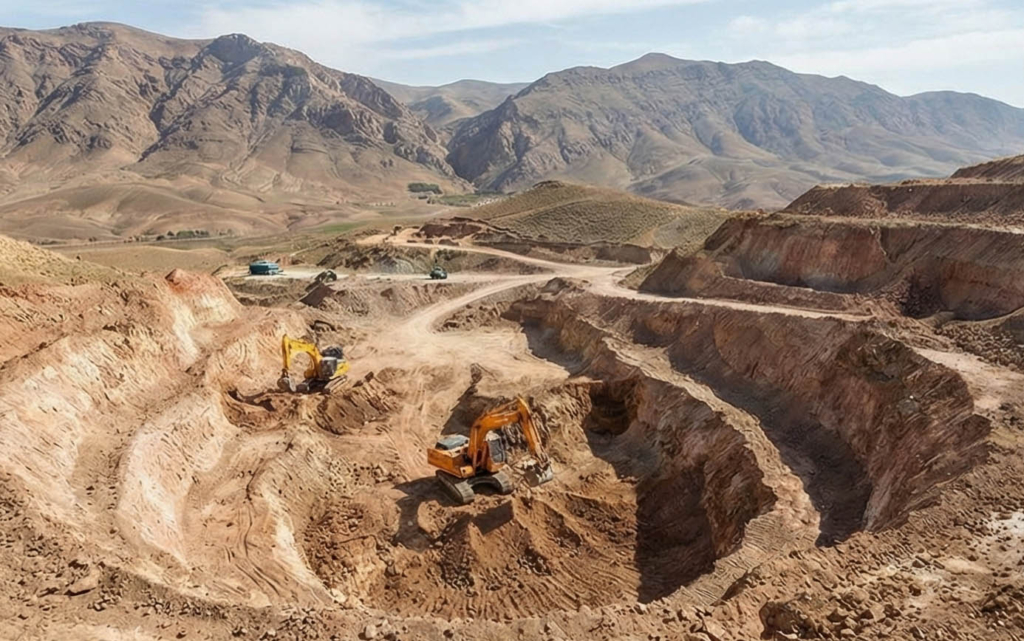
Iran is among the few countries that possesses high-quality raw materials essential for tile production on a large scale. Rich deposits of refractory clay, feldspar, kaolin, and silica allow manufacturers to source materials with stable quality and reasonable costs.
It’s worth noting that many countries spend millions of euros each year importing these very materials.
A Key Advantage: Consistency in Quality
One comment frequently heard from European importers is:
“Iran delivers consistent quality. What we order is exactly what arrives.”
This reliability is crucial in strict markets—especially in Europe. Quality fluctuation is one of the biggest challenges when sourcing from low-cost Asian suppliers, but Iran has proven to be far more dependable.
Advanced Technology: Iran Is Not Behind—It’s Aligned with Global Leaders
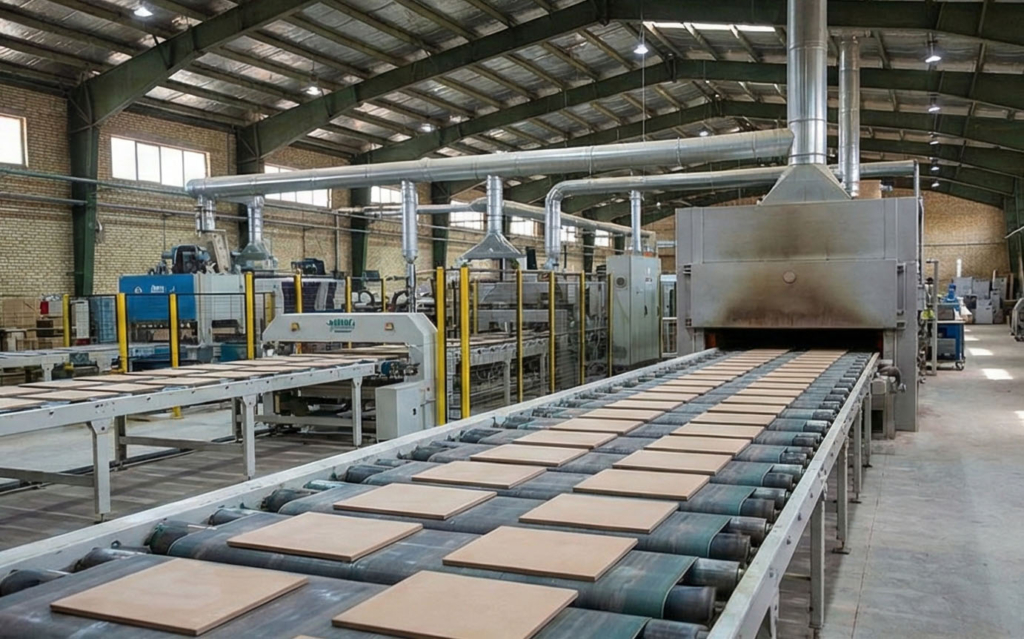
In recent years, many Iranian tile factories have upgraded to Italian and Spanish machinery. Brands such as SACMI, System, KERAjet, and TECNOFERRARI are widely used in mid-size and large-scale production lines across the country.
What does this modernization achieve?
- Production of high-quality porcelain slabs
- Ultra-precise digital printing
- More durable glazes resistant to scratches and stains
- Consistent color and sizing
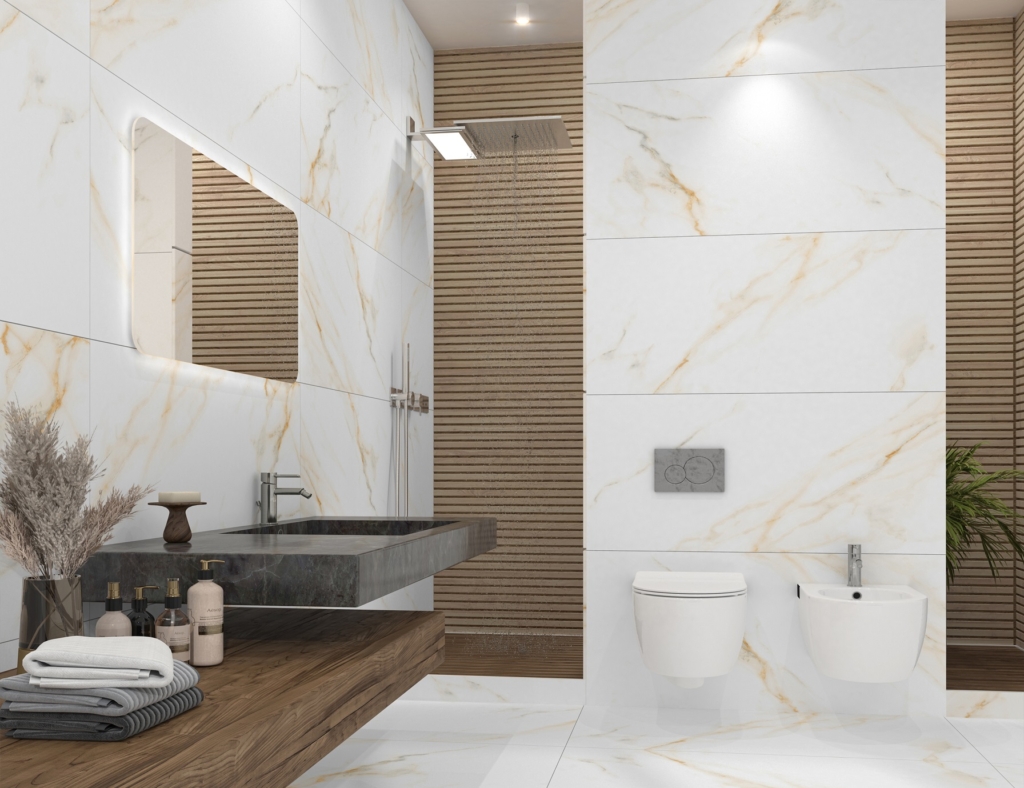
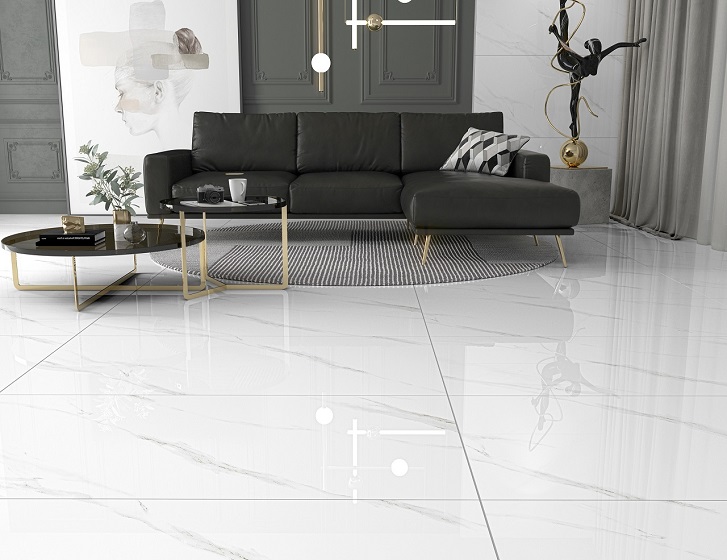
- Ability to produce Europe-trend collections like marble-look, concrete-look, and wood-look
With this technology in place, Iranian tiles have become fully competitive with major Spanish and Turkish brands in both appearance and performance.
Competitive Pricing—Without the Stereotype of Low Quality
Many first-time foreign buyers expect “affordable price = low quality.”
But the reality is quite different. Lower production costs—especially for energy and raw materials—allow Iranian manufacturers to offer high-quality products at more competitive prices.
A real export case
A Belgian buyer who previously sourced from Turkey reduced the overall cost of procurement by 18–25% after switching to Iranian products—without sacrificing quality.
For large construction projects, this cost difference is highly significant.
Design and Size Diversity: Tailored for European Markets
One major strength of Iranian producers is their flexibility. Instead of focusing on repetitive mass production, many factories now prioritize modern designs aligned with international trends.
Popular design categories include:
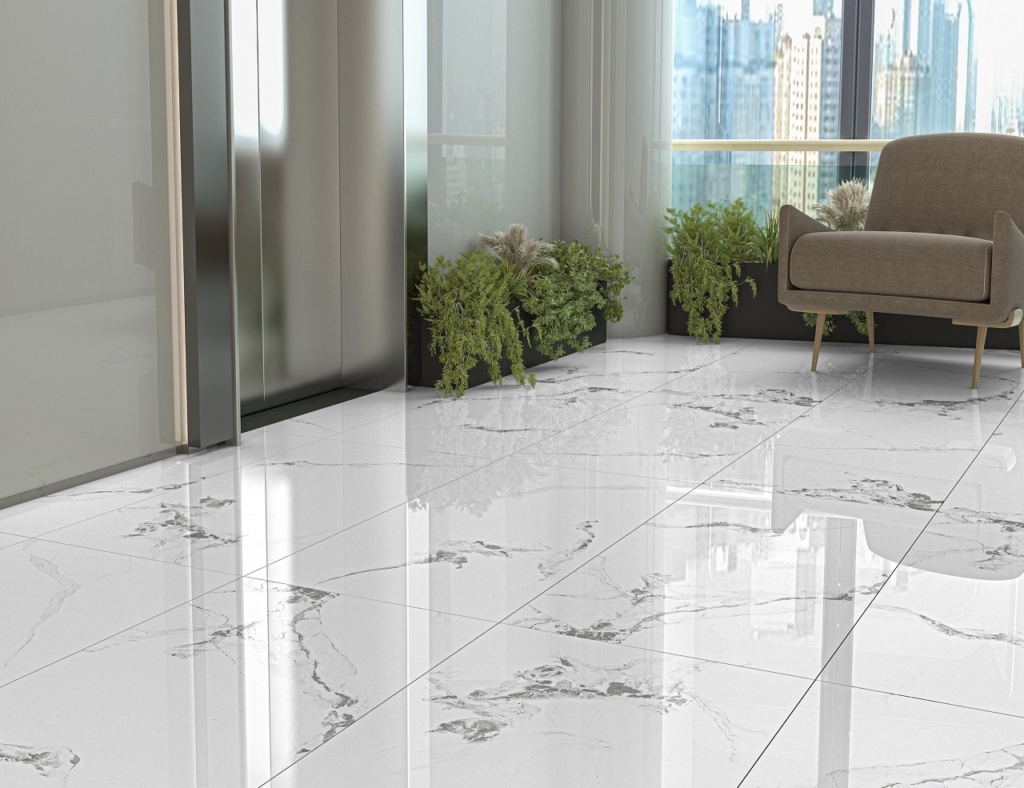
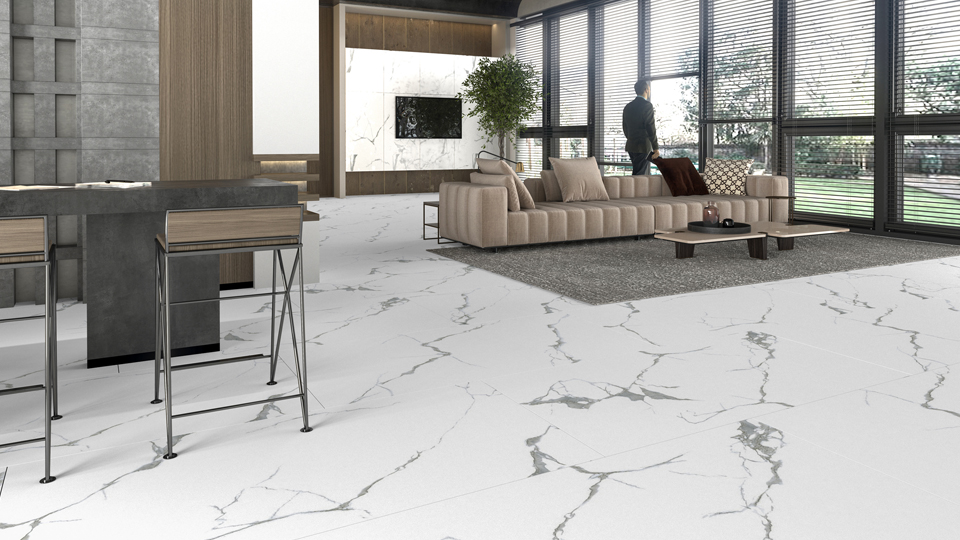
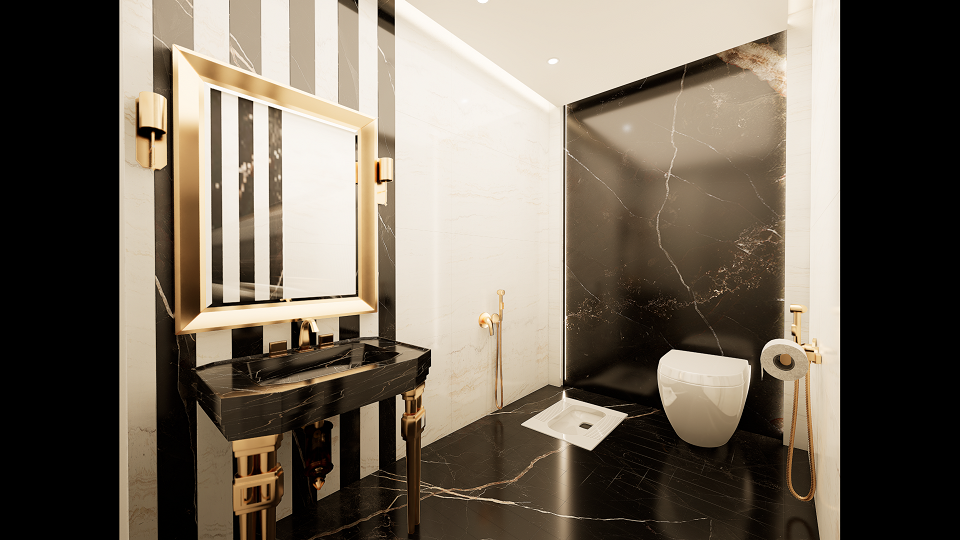
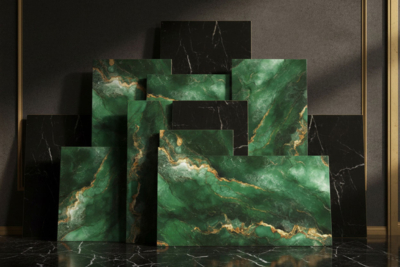
- Marble-look tiles inspired by premium Italian stones
- Concrete-look collections for modern architecture
- Wood-look tiles with natural textures
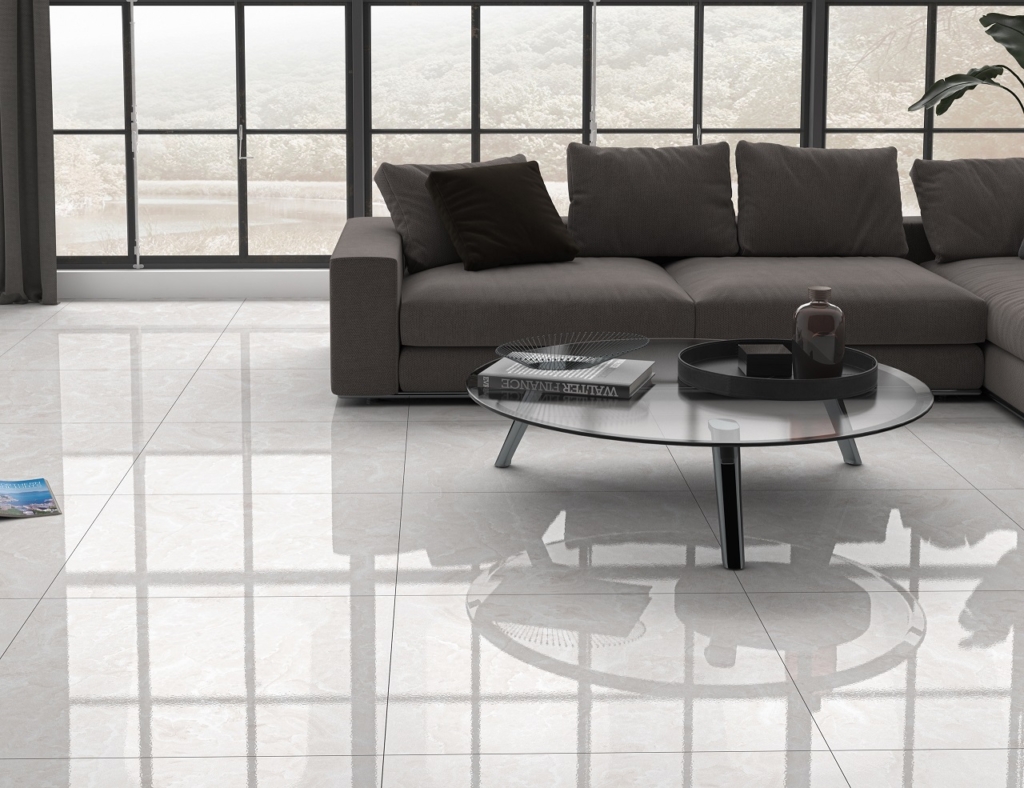
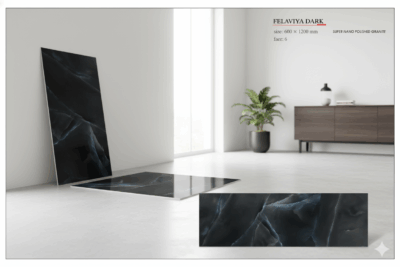
- Large-format slabs for luxury kitchens and interiors
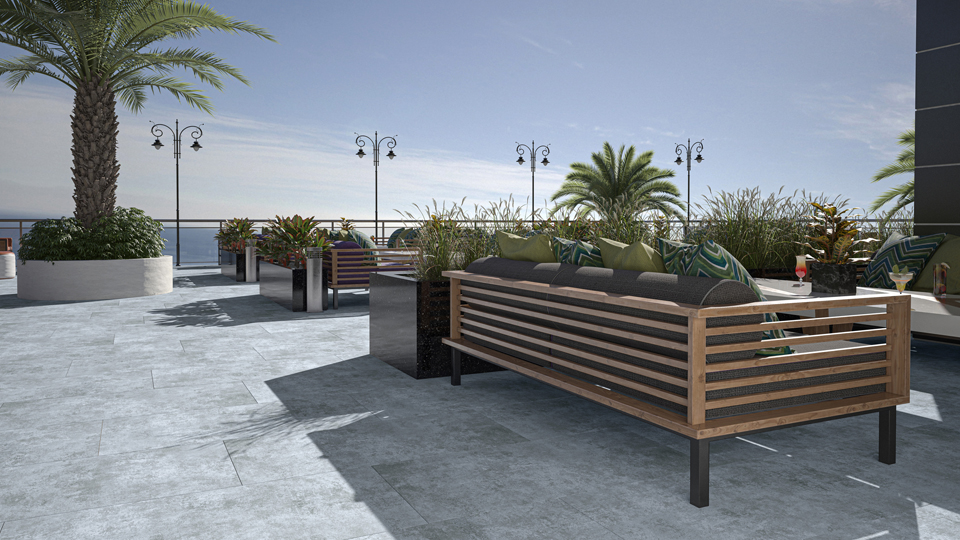
- Matte, anti-slip, and outdoor tiles
This diversity makes Iranian tiles suitable for both luxury and budget-friendly market segments.
International Standards and Certifications: Essential for Export Success
Over the past years, many reputable Iranian factories have obtained certifications such as ISO, CE, and technical quality reports for abrasion resistance, water absorption, chemical resistance, and more.
These standards have enabled Iranian products to enter European markets smoothly and confidently.
A key point for foreign buyers
For large projects, Iranian factories often provide detailed technical test reports, including:
- Surface abrasion resistance
- Water absorption levels
- Standard thickness
- Chemical resistance
- Size deviation results
This transparency significantly increases buyer confidence.
Why Iranian Tiles Are a Smart Choice for Importers and Large Projects
To summarize the answer to the question “Why Iranian tiles?”, we can highlight several core advantages:
1. Stable, high-quality production
A combination of excellent raw materials and modern machinery.
2. Competitive and economical pricing
Not due to low quality, but thanks to accessible resources and lower production costs.
3. Design variety aligned with European tastes
From luxury slabs to affordable collections, the full range is available.
4. Strong export potential
Most Iranian factories now prioritize export markets, meaning packaging, quality control, and logistics are optimized for global demand.
5. Recognition and credibility in the global industry
Iran has consistently ranked among the top ten tile producers in the world—an achievement built on decades of experience and strategic investment.
Conclusion
Iran’s tile industry offers a rare combination of high quality, modern design, and competitive pricing—a trio that few countries can genuinely claim to deliver.
For importers, contractors, and construction companies, choosing Iranian tiles is not just a cost-effective decision but a smart, professional choice rooted in real value, not marketing hype.